אחסון אתרים למרפאות שיניים: מאובטח, תואם HIPAA ומהיר
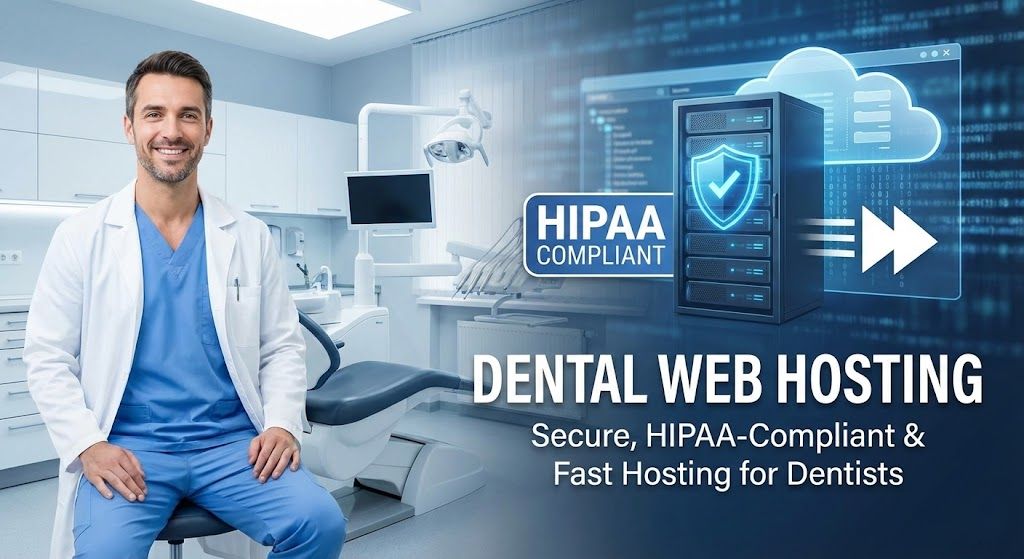
האם אי פעם הרגשתם את התחושה המעיקה הזו בבטן כשהאתר הדנטלי שלכם נטען לאט יותר מעקירת שן טוחנת? או דאגתם שאתם עלולים ללכת על הקו הדק של הפרת חוקי ה-HIPAA? כן... אתם לא לבד. היום, המטופלים שלכם לא רוצים רק סתימות ללא כאב, הם רוצים הזמנת תורים אונליין ללא כאב, טפסים מאובטחים, ואתר מהיר כברק (כי, בואו נודה באמת, אף אחד לא מחכה ל"שן מסתובבת" בטעינה).
אם אתם תוהים אם באמת יש דבר כזה 'אחסון אתרים דנטלי' (Dental Web Hosting), ואם זה חשוב יותר מרצף השימוש היומי בחוט דנטלי, אני כאן כדי לחשוף את הסודות, לשתף סיפורי אימה (והצלחות!), ולהראות לכם איך האחסון הנכון יכול לגרום למרפאה שלכם לזרוח, להגן על המטופלים שלכם, ואפילו לשפר את השורה התחתונה. (ספוילר: Devoster מככבת כאן בגדול, אני אראה לכם למה). קחו את הקפה שלכם. בואו נמלא את פערי הידע האלה.
נקודות עיקריות
- אחסון אתרים למרפאות שיניים מותאם אישית כדי לעמוד בצרכים המשפטיים, האבטחה והאינטגרציה הייחודיים למרפאות, בשונה מאחסון גנרי.
- בחירה באחסון אתרים דנטלי תואם HIPAA מגן על המרפאה שלכם מפני דליפות מידע, מבטיח את אמון המטופלים, ומונע סיכונים משפטיים יקרים.
- אחסון מהיר ואמין משפר ישירות את דירוגי ה-SEO, שיעורי הזמנת התורים, וגיוס המטופלים הכולל.
- פיצ'רים מרכזיים שחובה לדרוש כוללים הסכם BAA חתום, הצפנה, גיבויים, זמינות של 99.9%+, ותמיכה שמבינה את העולם הדנטלי.
- אחסון אתרים מנוהל מומלץ מאוד לרוב המרפאות כדי לטפל באבטחה, עדכונים וסקיילביליות ללא כאבי ראש טכניים.
- השקעה באחסון איכותי תומכת בביצועים חלקים, קמפיינים שיווקיים חזקים, ו-ROI ארוך טווח למרפאות שיניים.
מה זה אחסון אתרים דנטלי?
הגדרה ואיך זה שונה מאחסון רגיל
דמיינו שאתם שוכרים בית. אחסון רגיל הוא כמו לתפוס סתם דירה – היי, זה ייתן גג לאתר שלכם. אבל אחסון אתרים דנטלי? זה כמו לבחור מקום במרחק הליכה מהמאפייה האהובה עליכם, ועם מערכת אזעקה הייטקיסטית. בגדול: זה מותאם ספציפית למרפאות שיניים, עם כל המוזרויות הנפלאות של ניהול משרד דנטלי אונליין.
אחסון אתרים דנטלי בולט בכך שהוא משלב פיצ'רים של אחסון כללי, כמו אחסון, רוחב פס והבטחות זמינות, עם דברים שחשובים ספציפית למי שמטפל במידע של מטופלים. זה אומר שכבות נוספות לציות (HIPAA, אמא'לה), אבטחה מוגברת, וכל מיני אינטגרציות (כמו ל-EHR או יומני תורים).
למה מרפאות שיניים צריכות אחסון מיוחד
לא הייתם מעקרים כלים במטבח הביתי שלכם, נכון? אותו הדבר תקף לאחסון אתרים. אחסון גנרי בדרך כלל לא עומד בדרישות האבטחה או הציות הנדרשות בחוק למידע על מטופלים (חשבו HIPAA/PHI). עם אחסון אתרים דנטלי, אתם מקבלים:
- שקט נפשי משפטי (הם "מבינים" את HIPAA, בתור התחלה)
- תמיכה טכנית שמבינה את הז'רגון הדנטלי (לא, לא רק ז'רגון של וורדפרס)
- פיצ'רים שנבנו לעולם האמיתי שלכם (כמו טפסי מטופלים מאובטחים ותוספים לתוכנות מרפאה)
בואו נדבר דוגרי: העברתי רופא אחד אחרי בהלת כופר (Ransomware), הוא קיבל מארח דנטלי ייעודי, שיפר את האבטחה תוך שבוע, והתחיל לישון טוב יותר. ההבדל הוא שמיים וארץ.
למה אחסון נכון חשוב לרופאי שיניים: מטופלים, אבטחה ו-SEO
אמון המטופלים, הגנת מידע וסיכון משפטי (HIPAA/PHI)
אם אתם רוצים להפחיד רופא שיניים, תגידו 'דליפת מידע'. דליפות מידע לא רק מרסקות את דירוגי הגוגל שלכם, הן שוחקות את אמון המטופלים (ושום כמות של ערכות הלבנה חינם לא תתקן את זה), והן יכולות לסבך אתכם בצרות משפטיות גדולות. תחת HIPAA, אתם אחראים לאבטחת מידע בריאותי מוגן (PHI) אונליין – חשבו על טפסים, בקשות לתורים, אפילו ביקורת תמימה של מטופל.
לבחור באחסון לא תואם? זה כמו להשאיר את הדלת הקדמית שלכם לרווחה, עם PHI שמסתובב לו במרפסת.
מהירות האתר, זמינות וההשפעה על דירוגים וגיוס מטופלים חדשים
ידעתם שגוגל מפנה כתף קרה לאתרים דנטליים איטיים? כן. אם דף הבית שלכם לוקח יותר מ-3 שניות להיטען, מטופלים פוטנציאליים יברחו, לעיתים קרובות לפני שאמרתם 'תפתח גדול'. זמינות האתר? אם הדף שלכם למטה, ההפניות מתייבשות ומטופלים קיימים עלולים לקפוץ לרופא השיניים בצד השני של העיר.
נתון אמיתי: מרפאות איבדו עד 15 הזמנות חדשות בחודש בגלל אתרים איטיים או מושבתים (מבוסס על נתוני לקוחות הסוכנות שלי).
סקיילביליות לקמפיינים שיווקיים ומרפאות מרובות סניפים
האם אי פעם הרצתם מבצע Invisalign מתוק רק כדי שהאתר שלכם יקרוס? אחסון דנטלי נכון אומר שאתם יכולים להגביר את הקצב למודעות פייסבוק, קמפיינים בטלוויזיה, או סניפים חדשים מבלי להתעורר להודעות זועמות. אחסון סקיילבילי נותן לאתר שלכם להתגמש עבור פרצי תעבורה, בלי פאניקה ידנית ובלי כאבי ראש טכניים.

מתחילים מהר עם אחסון שיתופי
הדרך הכי פשוטה ומשתלמת לעלות לאוויר. כולל SSL, CDN וביצועים יציבים.
עיינו בחבילותפיצ'רים מרכזיים שחובה לדרוש מאחסון אתרים דנטלי
תאימות HIPAA והסכמי שותף עסקי (BAA)
זהו סעיף חובה. מארח דנטלי אמיתי חייב להציע תאימות HIPAA, כולל BAA חתום. זה בעצם כרטיס ה"יציאה מכלא" (או מתביעה) שלכם.
SSL/TLS, HSTS, והצפנה בכל האתר במעבר
חובה. אל תתנו לאף אחד למלא טופס באתר שלכם אלא אם כן מופיעים סמלי המנעול הקטנים האלה. HSTS מבטיח שדפדפנים לעולם לא יתחברו בצורה לא מאובטחת, גם אם מישהו מקליד קישור ישן.
הצפנה במנוחה, גיבויים מאובטחים ומדיניות שמירה
זה לא רק עניין של העברת מידע בבטחה, זה עניין של אחסון בטוח שלו, גם כן. הצפנה במנוחה שומרת על האקרים מחוץ לארכיונים הישנים והגיבויים שלכם. בונוס אם המארח שלכם נותן לכם להגדיר שמירה מותאמת אישית (כמה זמן אתם שומרים מידע על מטופלים).
ניטור 24/7, זיהוי חדירות ותגובה לאירועים
פריצות לא נצמדות לשעות העבודה. למארח סולידי יש ניטור קבוע, וגם תוכנית ממשית אם משהו משתבש. (הייתה לי מרפאה שהתאוששה אחרי שהאקרים התגנבו ביום ראשון. לא, באמת. הם שמו לב רק בזכות התראות חדירה מיידיות).
SLA זמינות, זיכויים ויעדי זמינות בעולם האמיתי (99.9%+)
אל תסמכו על "בלה-בלה-בלה זמינות 24/7.", בקשו את ה-SLA (הסכם רמת שירות) האמיתי שלהם. מארחים דנטליים טובים מציעים 99.9%+ זמינות ויש להם זיכויים אם הם לא עומדים בזה.
פיצ'רים של ביצועים: CDN, Caching, אופטימיזציית תמונות ו-TTFB
- CDN (רשת מסירת תוכן): שומר על האתר שלכם זריז, בכל מקום.
- Caching (מטמון): חוסך זמן למבקרים חוזרים.
- TTFB (זמן לבית הראשון): כמה מהר הביס (או הבית) הראשון נטען. כמה שיותר נמוך, יותר טוב.
סביבות Staging, עדכונים אוטומטיים ובקרת גרסאות
לכו על בטוח. בדקו שינויים בסביבת Staging (בלי דרמות באתר החי). תנו למארח שלכם לבצע אוטומציה לעדכוני אבטחה, אתם לא רוצים להיות תקועים בתיקון פלאגינים בחצות.
גיבויים והתאוששות מאסון: תדירות, יעדי זמן שחזור (RTO) ושמירה
שאלו באיזו תדירות מתבצעים גיבויים (מינימום יומי, בבקשה!), כמה מהר אפשר לשחזר (RTO), וכמה אחורה אפשר ללכת. האחרון הוא מציל חיים אם מחקתם בטעות חצי מהגלריה שלכם...
אפשרויות תמיכה: מנהל תיק לקוחות ייעודי, תמיכת WordPress/PHP, ו-SLAs
אתם רוצים עזרה מהירה ומקצועית, אידיאלית, ממומחה אחסון דנטלי שמכיר את ה-PHP שלו. מארחים ברמה עליונה (אהמ, Devoster) מציעים מנהל ייעודי ומקצועני טכנולוגיה אמיתיים (לא רק נציגים גנריים).
סוגי אחסון מוסברים: שיתופי, VPS, ענן, ייעודי ו-WordPress מנוהל
יתרונות, חסרונות ושימושים מומלצים למרפאות שיניים
הנה העניין: לא כל אתר דנטלי צריך פרארי. לפעמים הונדה אמינה עושה את העבודה.
| סוג אחסון | יתרונות | חסרונות | הכי טוב ל... |
|---|---|---|---|
| שיתופי | זול, תחזוקה נמוכה | איטי יותר, פחות מאובטח, לא HIPAA | אתרים קטנים, אתרי תדמית |
| VPS (וירטואלי) | יותר שליטה, מהיר משיתופי | קצת סיכון אבטחה, הקמה עצמית | מרפאות צומחות, יותר תעבורה |
| ענן | סקיילבילי מאוד, יציב | יכול להיות יקר, מורכבות | ריבוי מיקומים, תעבורה גבוהה |
| ייעודי | כולו שלכם, ביצועים מקסימליים | יקר, דורש כישורי IT | מרפאות גדולות, צרכים מותאמים |
| WordPress מנוהל | קל, מאובטח, מותאם ל-WP | עלות, ספציפי לפלטפורמה | רוב מרפאות השיניים, WordPress |
מתי לבחור באחסון מנוהל מול ניהול עצמי
אם אתם מטפלים במטופלים, לא בשרתים, בחרו באחסון מנוהל, נקודה. מארחים מנוהלים (במיוחד אלה הממוקדים בדנטלי כמו Devoster) מטפלים בעדכונים, אבטחה וגיבויים. ניהול עצמי טוב לאנשים טכנולוגיים שאוהבים לפתור תקלות ב-2 בלילה... ולמען האמת, זה לעיתים נדירות הייעוד של רופא שיניים.
צלילת עומק לאבטחה וציות לאתרי מרפאות שיניים
צ'קליסט HIPAA לספקי אחסון ואתרים דנטליים
בדיקת שפיות HIPAA מהירה למארח שלכם:
- הסכם שותף עסקי (BAA) חתום?
- מידע מוצפן במנוחה ובמעבר?
- יומני ביקורת (Audit logs) מתוחזקים?
- גיבויים מאובטחים עם בקרות שמירה?
- בקרות גישה / ניהול משתמשים?
- נוהל הודעה על דליפה?
טפסי מטופלים מאובטחים, הצפנה והימנעות מחשיפת PHI
אם טופס יצירת הקשר או הזמנת התורים שלכם נוגע ב-PHI, הצפינו אותו (לשני הכיוונים!). השתמשו בפורטלים מאובטחים למטופלים או בתוספים מאושרים. היזהרו מאימייל: לעולם אל תתנו לנתוני טופס מטופל ליפול לתיבת דואר נכנס לא מוצפנת. זה כמו לשלוח צילום רנטגן בגלויה.
בדיקות חדירה, סריקת פגיעויות ויומני ביקורת
שאלו את המארח שלכם אם הם מריצים בדיקות חדירה (Pen tests) קבועות (פריצות מדומות). סריקות פגיעויות צריכות לקרות לפחות רבעונית. יומני ביקורת עוקבים אחרי כל כניסה/שינוי, תצטרכו אותם אם אי פעם יהיה אירוע (או אפילו אם אתם סתם מרגישים פרנואידים ביום שלישי איטי).
אינטגרציות ופונקציונליות: תוכנות EHR/מרפאה, הזמנות, תשלומים, רפואה מרחוק
איך אחסון משפיע על אינטגרציות ואמינות API
האם אי פעם חיברתם את מערכת ההזמנות שלכם, או גרוע מכך, חוויתם קריסה של אינטגרציית תשלום ב-9 בערב לפני תשלום משכורות? אחסון הוא לא רק עניין של מהירות. הוא גם משפיע על כמה אמין ה-APIs שלכם (חשבו EHR, אימייל מטופלים, שערי תשלום) באמת... עובדים.
מארח דנטלי חזק מבטיח חיבורים יציבים, רוחב פס חזק, וגרסאות ה-PHP/מסד הנתונים הנכונות. אה, וצוות תמיכה שלא ישאיר אתכם בהמתנה בזמן שפיצ'ר הרפואה מרחוק שלכם מסתובב.
שיטות מומלצות לטפסים מקוונים מאובטחים, תשלומים (PCI) ואחסון רפואה מרחוק
- השתמשו רק בשערי תשלום תואמי PCI (Stripe, Square, וכו'). לעולם אל תאחסנו פרטי כרטיס על השרת שלכם.
- ארחו רפואה מרחוק בפלטפורמות או תוספים מוצפנים ותואמי HIPAA. בדקו בקביעות, תקלות באמצע תור = מביך.
- לטפסים: Captcha + אימות נתונים + שליחה מוצפנת + בקרות גישה ייחודיות = הימור בטוח מינימלי.
אופטימיזציית SEO וביצועים הקשורה לאחסון
איך אחסון משפיע על Core Web Vitals ו-SEO מקומי
לגוגל אכפת ממהירות ואבטחה. אחסון אתרים דנטלי משפיע ישירות על:
- LCP (Largest Contentful Paint): כמה מהר התוכן מופיע
- TTI (Time to Interactive): רספונסיביות = משתמשים שמחים
- CLS (Cumulative Layout Shift): בלי כפתורים קופצים, בבקשה
SEO מקומי? גוגל משקלל זמינות, שרתים אזוריים מהירים ואבטחת אתר. מרפאות עם מארחים מהירים ומאובטחים (שוב, Devoster זוהרת כאן) לעיתים קרובות מדורגות מעל מתחרים איטיים, גם אם יש להם קישורים נכנסים דומים.
פיצ'רים טכניים של SEO שכדאי לבקש מהמארח (מפות אתר, רובוטים, הפניות, סכמה)
- יצירת מפת אתר XML אוטומטית
- הפניות 301 קלות (לאותם רגעי מיתוג מחדש)
- תמיכת סכמה (Schema) לרופאי שיניים, ביקורות, הליכים
- ניהול Robots.txt
טיפ מהיר: אם המארח שלכם מציע דשבורדים מובנים של SEO, זה פלוס ענק, וסימן שהם מבינים שיווק דנטלי מודרני.
תוכנית מיגרציה: העברת אתר דנטלי קיים בבטחה
צ'קליסט לפני מיגרציה: מלאי, גיבויים, BAA ושימור SEO
- מלאי: רשמו את כל דפי האתר, הטפסים, האינטגרציות והסקריפטים המותאמים אישית
- גיבויים: גיבוי מלא (קבצים ומסד נתונים) ו... הורידו אותו מקומית
- BAA: החתימו את המארח החדש שלכם על הסכם שותף עסקי לפני ההשקה
- SEO: ייצאו כתובות URL, מטא-דאטה, אנליטיקס, עקבו אחרי מה משתנה
תהליך מיגרציה צעד-אחר-צעד ותוכנית חזרה לאחור (Rollback)
- שכפלו את האתר לשרת Staging
- בדקו כל דף, טופס ואינטגרציה
- השהו שינויים באתר החי
- הפנו את ה-DNS למארח החדש (שעות שפל = הכי טוב)
- נטרו אחר תקלות
- אם קורה אסון: החזיקו את המארח הישן שלכם בכוננות לחזרה מהירה לאחור
בדיקות, מעבר DNS, שיטות מומלצות ומזעור זמן השבתה
תזמנו מיגרציות במהלך שעות שפל בתעבורה. השתמשו בכלים כמו Uptime Robot או Pingdom כדי לתפוס גמגומים. אל תשכחו בדיקות ידניות, פתחו את הטלפון, בדקו טפסים, תמונות, טעינה, ברשתות שונות. (אין כמו לתפוס טופס מטופל שבור מהמטבח שלכם בחצות).
עלויות, חוזים ועלות בעלות כוללת (TCO)
טווח מחירים חודשי ושנתי טיפוסי ומה כלול
אחסון אתרים דנטלי הוא לא מוצר מדף זול, אבל אתם קונים אבטחה ושקט נפשי. צפו לשלם:
- אחסון דנטלי מנוהל: $39–$200/לחודש
- שיתופי תואם HIPAA (נדיר): $60–$120/לחודש
- ייעודי/אנטרפרייז: $200–$1000+/לחודש
זה כולל בדרך כלל ניטור אבטחה, גיבויים, עדכונים, SLA זמינות ותמיכה (לרוב עם מנהל תיק שמבין בתחום הדנטלי לתוכניות פרימיום).
עלויות נסתרות שכדאי להיזהר מהן: מיגרציות, תמיכת פרימיום, תוספות
- עמלות מיגרציה: חלק מהמארחים מציעים מיגרציה חינם; חלק גובים $200–$500 (או יותר לאתרים מורכבים)
- תמיכת פרימיום: עזרה מחוץ לשעות העבודה או "כפפות משי" עשויה לעלות אקסטרה
- תוספות: אחסון נוסף, דוחות מתקדמים, מיקומים נוספים, או חבילות SMS/אימייל יכולים להצטבר.
תמיד בקשו פירוט עלויות מלא לפני שאתם חותמים על החוזה הנוצץ החדש.

מסגרת השוואת ספקים: איך להעריך ספקי אחסון אתרים דנטליים
צ'קליסט ל-RFP או רשימת ספקים (אבטחה, זמינות, ציות, אינטגרציות)
- האם המארח תואם HIPAA עם BAA חתום?
- האם הם מבטיחים 99.9%+ זמינות עם זיכויים?
- האם גיבויים ותגובה לאירועים כלולים?
- האם הם תומכים בכל האינטגרציות הנדרשות (EHR, טפסים, תשלומים אונליין)?
- האם אתם מקבלים תמיכה דנטלית ספציפית?
טבלת השוואה לדוגמה (פיצ'רים מול מחיר מול SLA מול תמיכה)
| מארח | HIPAA BAA | SLA זמינות | מחיר (חודשי) | פיצ'רים מרכזיים | תמיכה דנטלית |
|---|---|---|---|---|---|
| Devoster | כן | 99.99% | $69 | CDN, Staging, 24/7 | כן (ייעודית) |
| PracticeWeb | כן | 99.9% | $89 | IP ייעודי, גיבויים | כן |
| XYZHost | לא | 99.9% | $25 | WP בסיסי בלבד | לא |
(הערת משתמש: העברתי עשרות מרפאות, Devoster מספקת אמינות שיא, צוות תמיכה שמבין באמת בדנטלי, ושקט נפשי של HIPAA. ההבדל בין לעשות שחזור ב-2 בלילה עם Devoster, לבין להתחנן לתמיכה גנרית אצל מארח זול? שמיים וארץ.)
מקרי בוחן ותוצאות: מרפאות שיניים אמיתיות (מהירות, אירועי אבטחה שנמנעו, ROI)
לפני/אחרי מיגרציות, מטריקות למדידת הצלחה
בואו נהיה אמיתיים לרגע. העברתי מרפאה עם 4 סניפים מאחסון זול ל-Devoster. ה"לפני"? דף בית איטי (6.3 שניות טעינה), קריסות אקראיות בשבועות מבצע, וחרדת HIPAA בכל פעם שמטופל השתמש בטפסים אונליין.
אחרי מיגרציה:
- טעינת דף בית: מתחת ל-2 שניות
- 99.99% זמינות מאומתת (דרך דוחות Pingdom)
- אפס אירועי אבטחה ב-20 חודשים
- צמיחה בקבלה: קפיצה של 20% בבקשות לתורים אונליין תוך 3 חודשים
משרד אחר? עבר ממארח WP גנרי זול [ללא שם, אבל מתחרז עם "בלו גוס"]. אחרי המיגרציה, הטפסים שלהם באמת עבדו בצורה אמינה... ולידים של מטופלים חדשים עלו ב-40% ברבעון הראשון. הרופאים אמרו שה-ROI הכי טוב לא היה רק עוד הזמנות, אלא השקט הנפשי בלילה.
שאלות נפוצות (FAQ) על אחסון אתרים דנטלי
האם אני צריך מארח תואם HIPAA?
כן, אם אתם אוספים, מאחסנים או מעבירים כל PHI דרך האתר שלכם (טפסי תורים, שאילתות ביטוח, כל דבר שמזהה מטופל). אם האחסון שלכם לא תואם, אתם מסכנים את המרפאה שלכם בסיכון משפטי ותדמיתי.
האם אפשר לארח הזמנת תורים אונליין ועדיין להיות תואם HIPAA?
בהחלט, כל עוד המארח וכלי ההזמנות שניהם תואמי HIPAA, הטפסים מוצפנים, ואחסון המידע עומד בסטנדרטים של HIPAA. תמיד ודאו שה-BAA שלכם מכסה עסקאות אונליין.
כמה עליי לתקצב לאחסון ותחזוקה?
צפו ל-$50–$150 לחודש עבור אחסון חזק, מנוהל וברמה דנטלית (לרוב לא כולל עיצוב אתר שיווקי או התאמות גדולות).
לאילו מדדי זמינות וביצועים עליי לצפות?
סטנדרט הזהב הוא 99.9%+ זמינות עם זיכויים אם מפספסים, פלוס טעינת דפים מתחת ל-2-3 שניות לכל הדפים הקריטיים. אם מארח לא יכול להראות זמינות היסטורית בעולם האמיתי, המשיכו לחפש.
מוכנים לחוות את Devoster?
הצטרפו לאלפי לקוחות מרוצים עם תמחור שקוף ואחסון מהיר במיוחד.